
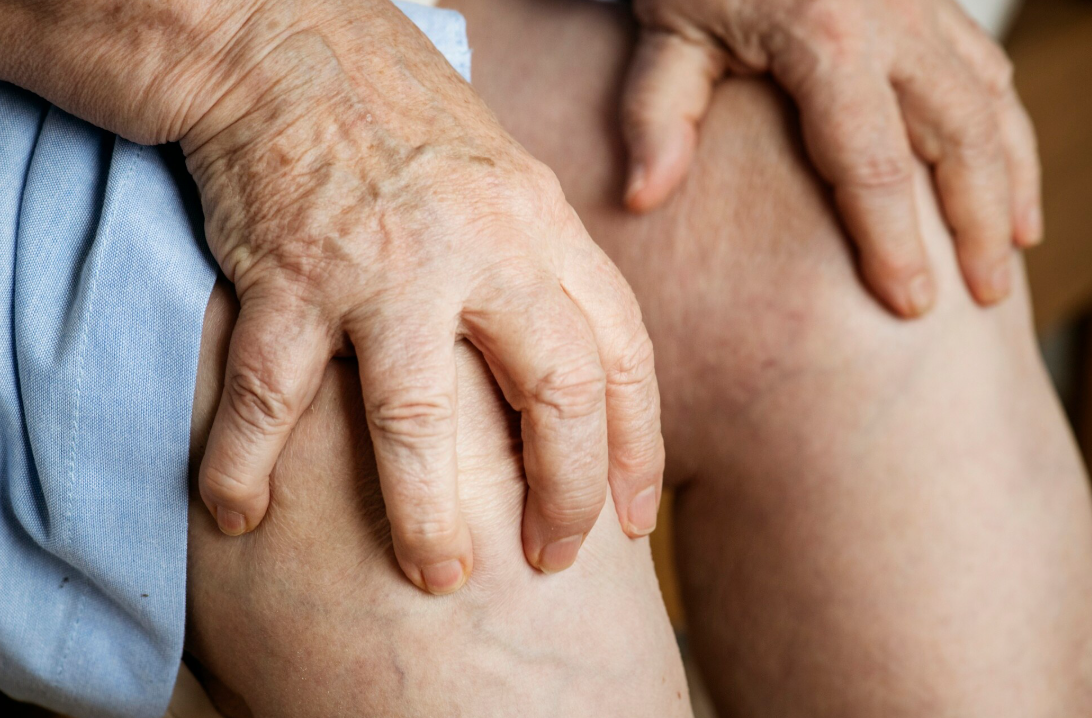
As we age, changes in our muscles, joints, bones, balance, and mobility can gradually affect the way our feet function. Common concerns include joint stiffness, reduced ankle strength, changes in foot shape, painful nails, or difficulty finding comfortable footwear.
Regular assessment and appropriate podiatry care can help identify foot problems early, manage existing conditions, and support mobility. At My Foot Dr Singapore, our podiatrists provide comprehensive elderly foot care focused in supporting foot health, mobility, and daily needs.
In this article, we explore why podiatry care is important for seniors, common foot conditions, age-related risk factors, and how a podiatrist can support healthier feet as you age.
Why Is Podiatry Care Important for Seniors?
Healthy feet play an important role in helping seniors stay active, steady and independent. Common changes such as drier skin, weaker muscles, stiffer joints, reduced cushioning and changes in foot shape can affect walking comfort and balance.
Even small foot problems can become more troublesome when left untreated, potentially affecting mobility and daily activities. Addressing these concerns early can help prevent them from worsening and affecting a senior’s comfort or independence. Regular podiatry care can help identify potential problems early, manage existing foot conditions and provide practical advice on footwear.
What Foot Health Risk Factors Are Associated with Ageing?
Ageing can bring gradual changes to the feet that may affect comfort, mobility and overall foot function. Knowing these age-related risk factors can help seniors recognise potential concerns early and seek appropriate podiatry care when needed.
- Changes in foot shape and structure:
- Feet may gradually change in shape over time, with conditions such as bunions, hammertoes or changes in the foot arch.
- Reduced joint flexibility and mobility:
- Stiffness in the toes, feet, and ankles can make everyday movements such as walking, climbing stairs or getting up from a chair more difficult.
- Decreased muscle strength and ankle stability:
- Weaker foot and lower-leg muscles may reduce stability and make it harder to maintain a steady step.
- Changes in balance and walking patterns:
- Changes in strength or flexibility can affect gait and balance. It can makes walking less stable and increasing the risk of trips and falls.
- Thinner or more fragile skin:
- Age-related changes can make the skin more prone to dryness, cracking, irritation and minor injuries.
What Common Foot Conditions Can Podiatrists Assess in Seniors?
Foot problems can become more noticeable and may affect how comfortably and safely older adults walk. A podiatrist can assess the feet, ankles and lower limbs to identify potential concerns, understand how they may be affecting mobility, and recommend appropriate management strategies.
Arthritis and Osteoarthritis
Arthritis and osteoarthritis can affect the joints in the feet and ankles, leading to pain, stiffness, swelling and reduced movement. These symptoms may make walking, standing or completing everyday activities more difficult. A podiatrist can assess foot and lower limb function, identify areas affected by joint changes and recommend suitable strategies to improve comfort and support mobility.
Poor Ankle Stability and Reduced Mobility
Reduced ankle strength, flexibility or stability can affect how an older adult walks and maintains balance. This may contribute to an uneven walking pattern or make certain movements more challenging. A podiatrist can evaluate ankle movement, muscle strength and gait, and recommend suitable exercises, footwear or other supportive measures to promote better stability and mobility.
Diabetic Foot Concerns
Older adults living with diabetes may require regular foot checks, particularly if diabetes has affected sensation or circulation. Reduced sensation can make it harder to notice cuts, blisters, pressure areas or other injuries, while skin changes and poor circulation may affect how the feet respond to injury. Regular podiatry assessments for your diabetic foot can help identify potential problems early and provide advice on appropriate foot care and pressure management.
Geriatric Foot Care
Geriatric podiatry care focuses on the wider foot health and mobility needs of seniors. It may include routine nail and skin care, footwear advice, assessment of walking and balance, and management of foot conditions that may interfere with daily activities. By taking a broader approach to foot health, podiatry care can help seniors maintain comfort, mobility and independence.
How Can a Podiatrist Support Elderly Foot Health?
Supporting healthy feet involves more than treating pain or addressing a specific foot condition. At My FootDr Singapore, podiatry care for seniors may involve assessing how the feet and lower limbs function together, identifying factors that may affect comfort and mobility, and providing practical recommendations based on individual needs.
3D Gait Analysis
A 3D gait analysis can provide a detailed assessment of how a person walks, including foot movement, walking patterns, balance and the distribution of forces through the feet and lower limbs. This information may help a podiatrist identify movement patterns or areas of increased pressure that could contribute to discomfort or mobility difficulties.
Foot and Lower Limb Assessment
A podiatrist can assess the structure and function of the feet, ankles and lower limbs. This may include looking at joint mobility, muscle function, alignment, balance and other factors that may influence walking. Identifying these factors can help guide appropriate recommendations for managing discomfort and supporting mobility.
Footwear Advice for Comfort and Support
Wearing suitable footwear can make a difference to everyday comfort and stability. Shoes that provide enough room for the toes, appropriate cushioning and adequate support may help accommodate age-related changes in the feet. A podiatrist can assess existing footwear and provide guidance on suitable options based on foot structure, mobility needs, and daily activities.
Custom Orthotics and Insoles
For some seniors, custom orthotics or insoles may be recommended as part of their foot care plan. These devices can be designed to support the feet, redistribute pressure and improve comfort during standing or walking. Whether orthotics are appropriate will depend on the individual’s foot structure, symptoms and clinical assessment.
Exercise and Mobility Strategies
Maintaining strength, flexibility and balance can support comfortable movement and mobility. Depending on the assessment, a podiatrist may recommend suitable exercises or mobility strategies to support ankle strength, flexibility, balance and lower limb function. These recommendations can form part of a broader approach to maintaining foot health and independence in daily activities.
What Can You Expect During The Elderly Podiatry Assessment?

Seeing a podiatrist for the first time can feel unfamiliar, especially if you are experiencing ongoing foot discomfort or changes in mobility. Knowing what to expect can help make your consultation more comfortable and ensure that your concerns are properly discussed. While each appointment may vary depending on your needs, an elderly podiatry consultation or initial assessment typically involves the following steps.
1. Prepare for Your Podiatry Consultation
Before your appointment with our podiatrist, consider bringing relevant medical information, previous imaging or assessment reports, referral letters, and a list of any medications or treatments you are currently receiving. It can also be helpful to note any concerns you have about foot pain, walking, balance, footwear or changes in mobility. If possible, bring the shoes you regularly wear so your podiatrist can assess their fit and support.
2. Receive a Comprehensive Foot and Lower Limb Assessment
Your podiatrist will discuss your concerns and assess the health and function of your feet and lower limbs. Depending on your needs, this may include evaluating your foot structure, gait, biomechanics, joint movement, muscle strength, balance and footwear. The assessment can help identify factors that may be contributing to discomfort or difficulties with walking and mobility.
3. Discuss Your Podiatry Care Plan
After the assessment, your podiatrist will explain the findings and discuss suitable care options based on your individual needs. Recommendations may include footwear advice, custom orthotics or insoles, exercises, nail and skin care, or other podiatry treatments. Your podiatrist can also explain how these approaches may support your comfort, mobility and everyday activities.
4. Begin Your Podiatry Care or Arrange Follow-Up
Depending on your assessment and care needs, appropriate treatment may begin during the same appointment. Some conditions may require further assessment or a follow-up visit to better understand your needs. Regular podiatry reviews can also help monitor changes in your foot health and mobility, so it can be adjusted when necessary.
Book an Elderly Foot Health Assessment at My Foot Dr Singapore
Maintaining healthy feet can help seniors stay active, mobile and independent. However, changes in foot shape, balance, strength or comfort may make everyday walking more difficult.
At My Foot Dr Singapore, our podiatrists assess the feet and lower limbs, gait, mobility and footwear to identify concerns that may affect your daily activities. Depending on your needs, we may recommend suitable footwear, orthotics, exercises or other podiatry care.
If you or an elderly family member is experiencing foot discomfort or mobility changes, book an elderly foot health assessment at My FootDr Singapore to support healthier, more comfortable movement!